Capture the Big 5: Wildlife Photography Tips for Your Kruger Safari
As far as models go, the Big Five are pretty good. However, unlike human models, wild animals have no interest in posing for you, or making sure the light and composition are just right. As a wildlife photographer, that’s your job. This element of unpredictability is what makes shooting the Big Five so thrilling, but it also means that when the right opportunity presents itself, you must be ready to take advantage of it.
What makes a good wildlife photograph is, to some degree, a matter of personal taste. When it comes to wildlife photography on a Kruger safari, there are a handful of tips to take note of, and not all of them are related to camera settings.
The Kruger National Park, just 13 km from our front gate, is a haven for nature-lovers. Naturally, passionate wildlife fans want to capture the exciting and beautiful sights they see on their visit. For professionals, hobbyists or “mere” happy snappers, there is always something to learn about improving their photography and obtaining the best images of the beautiful wilderness spaces South Africans and international visitors hold dear.
Let’s see how many of these tips you already knew and whether you can put them into practice during your stay with us.
Safari Camera Gear: Know Your Equipment
Professionals are well-versed in best camera settings for safari, but to those just getting into the swing of things, practice makes perfect – whether you’re shooting on a DSLR or your smartphone. After acquiring a basic understanding of photographic principles (aperture, shutter speed and ICO), play around with your settings. Experiment, and don’t be afraid to make “mistakes,” which, in art, can often lead to happy outcomes
Before leaving home, make sure you’re comfortable flitting between these settings – you don’t want to be in a position where a leopard disappears into the brush while you’re toggling around trying to adjust your shutter speed!
We recommend taking stock of your lighting conditions and environment before each drive and adjusting accordingly so you only have to make minor adjustments on the drive. The reason DSLRs tend to dominate wildlife photography is largely down to lens capability. You’ll often spot animals at a distance where approaching closer isn’t practical, or simply isn’t appropriate; a powerful zoom lens closes that gap without disturbing the sighting.
Camera setting tips for beginners:
- It’s a good rule of thumb to use fast shutter speeds when it comes to wildlife; at least 1/500s for stationary animals and 1/1000s or faster when they are moving.
- Don’t be afraid of pushing your ISO to 800–3200 in low light.
- Shoot in bursts when action is happening; the difference between an open eye and a blink often comes down to a fraction of a second.
- There’s no shame in autofocus – it’s a great tool, especially when you’re tracking subjects. Autofocus also prevents a lot of “camera shake” which can result in blurry photographs.
- Bring a little bean bag or sack on which to rest your elbow or camera lens when shooting through an open car window. This also helps stability.
Golden Hour Kruger
The single biggest variable in wildlife photography isn’t your camera, it’s the time of day. The hour after sunrise and the hour before sunset produce a low-angled light (clean in the morning, golden in the afternoon) that flatters virtually every subject, adds depth to landscapes, and happens to coincide with peak animal activity.
Plan your drives around these times, remembering gate opening and closing times too. (Check at reception for current gate opening and closing times). Phabeni Gate opens at 5.30 am in summer and 6 am in winter, putting you in the park as the golden hour begins. Hippo Hollow Country Estate is 10 minutes away from the gate, giving you a jump on the queue and an early start without pre-dawn suffering! Our proximity to Kruger adds up meaningfully over a multi-day stay, especially for serious wildlife photographers.
Kruger Photography Guide: Tips by Animal
Each of the Big Five presents a different challenge. Here’s our advice on how to approach them.
Elephants are social animals with close family bonds, and that dynamic is worth looking for. Try shooting from a lower angle to emphasise their size or zoom into the detail of an eye, ear or the texture of their skin for something more considered. Alternatively, pull back to capture an interaction between herd members. There’s a lot of stories happening in a herd if you watch them.
When it comes to Rhinos, close-up instincts can work against you. While there is always an argument to be made for a beautiful facial close up or the curve of a horn, resist the urge to crop tight in every photo. A wide-angle shot that takes in both the animal and the landscape it inhabits is often far more memorable.
Lions spend most of the day sleeping, which makes dawn and dusk the windows that matter. When they’re active, focus on the eyes – the piercing quality of a predator’s gaze does a lot of the compositional work for you.
Leopards are elusive and most often seen at low light, so your settings need to be ready before the sighting happens. Dial up the ISO, keep the aperture wide, and if the leopard is resting in a tree, use spot metering on the animal rather than the sky behind it. (Otherwise you’ll end up with a silhouette.)
Buffalos present an exposure challenge – their dark hides can cause cameras to overexpose the image if you’re not careful. They photograph particularly well in a herd or as individuals. A single buffalo also rewards a tight shot: one curved horn, or that characteristically low, heavy stare.
Staying Present
It’s worth saying plainly: the experience of being in the bush is its own reward, regardless of what is on your memory card when you get home.. The best shots come not from chasing your next sighting, but from being genuinely present in the bush; engine off, camera down, paying attention to what’s in front of you.
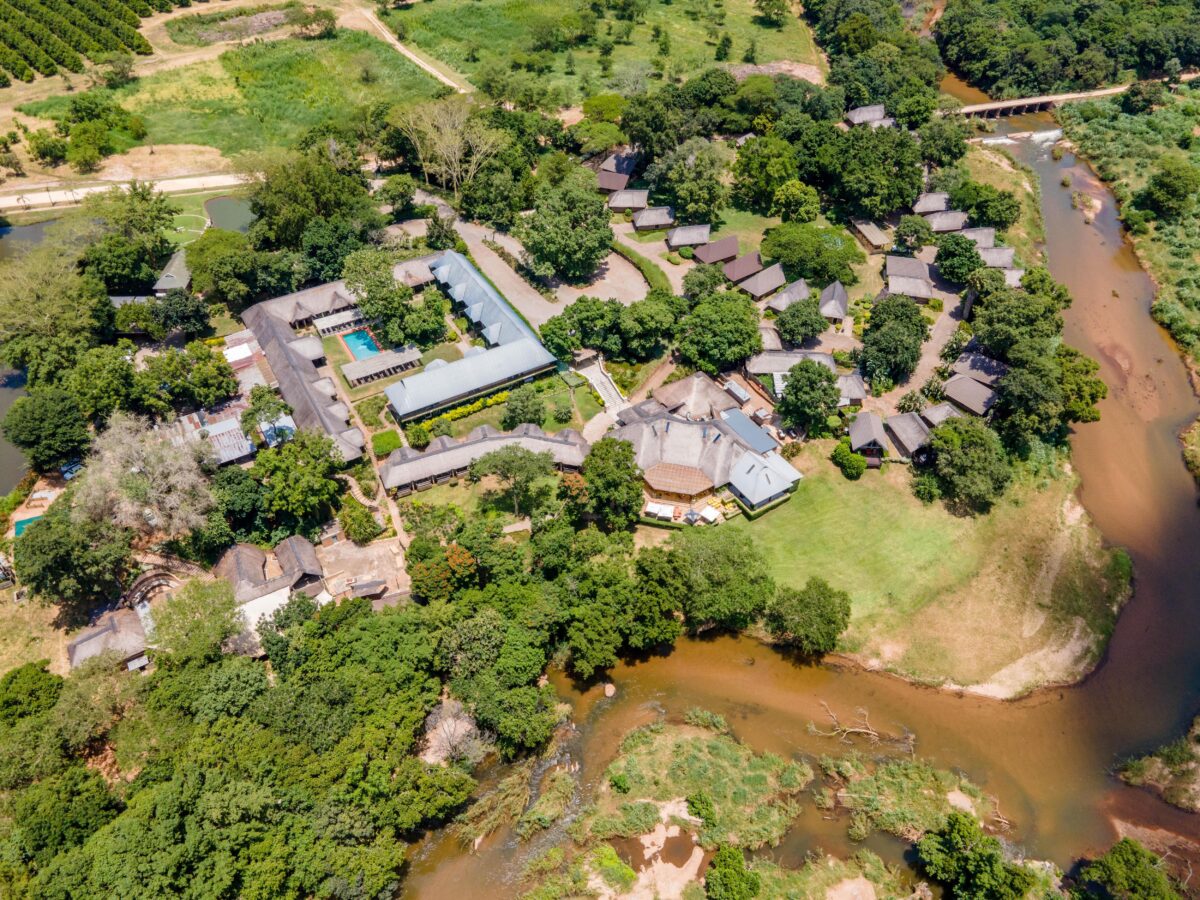
Hippo Hollow’s position on the Sabie River places guests within the same wildlife corridor that flows into the park. Elephants are a regular sighting from the property before the gates have opened in the morning; a quiet reminder that in this part of the Lowveld, the safari doesn’t start and end at a park boundary.
Common Etiquette:
- Don’t cut off somebody else’s shot by inserting your vehicle between their vehicle and the sighting. By the same token, if you are first at a sighting that’s gaining popularity, look your fill and consider making way for another vehicle to enjoy a front row view. This isn’t a “rule” as such, but it is considerate.
- Be respectful of the animals you are photographing. These are wild animals going about their daily life; not to be distracted, frightened or imposed upon. This is their home and we are the guests; we should always remember that.
- Always speak in a moderated tone at sightings; be calm and still, so as not to disturb the animals.
- Don’t ever get out of your vehicle.
Stay With Us
Hippo Hollow Country Estate nestles on the banks of the Sabie River, 10 minutes from Phabeni Gate. We are close enough to Kruger to catch every golden hour, yet far enough from the fray to feel genuinely removed from it.
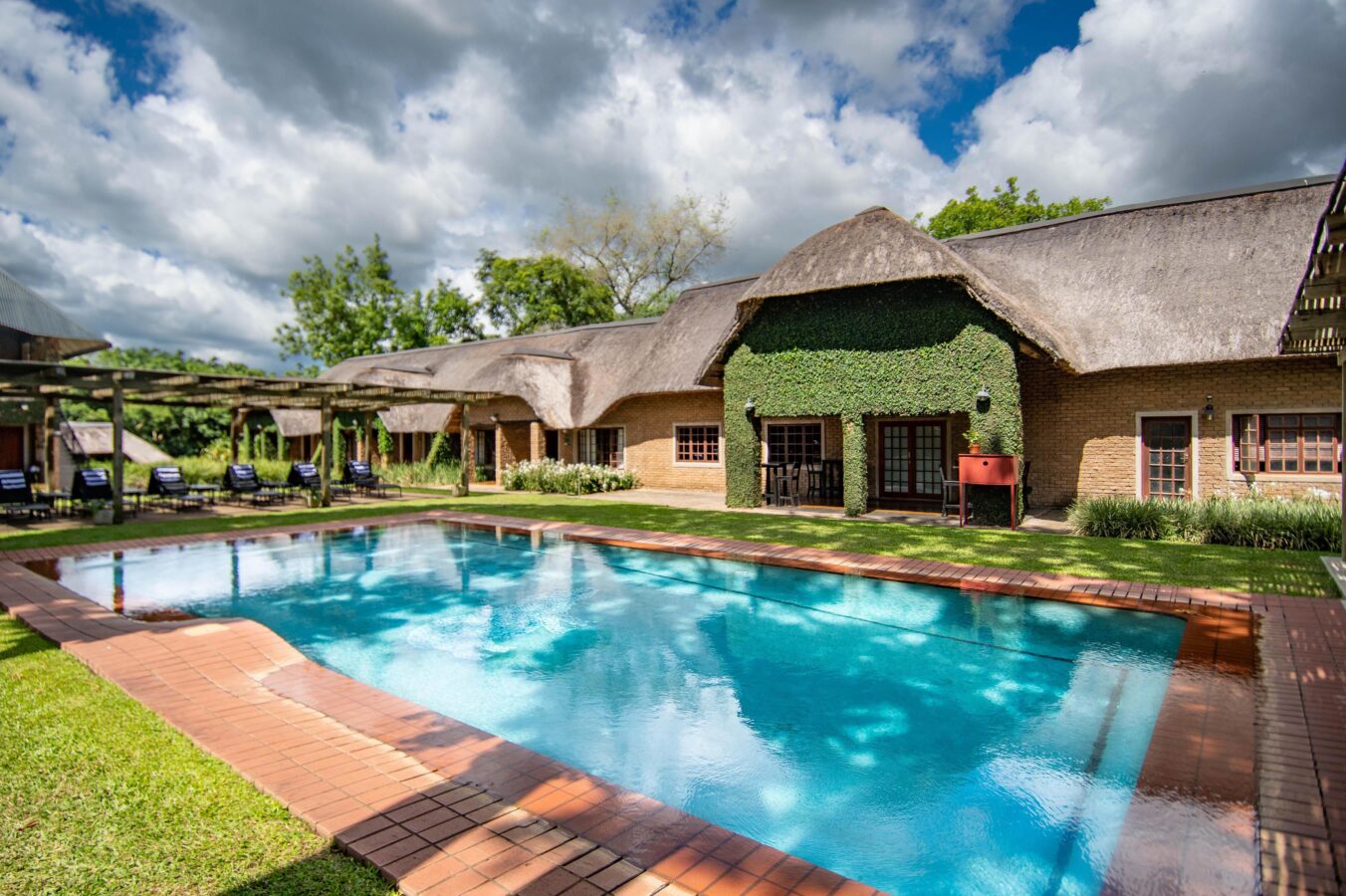
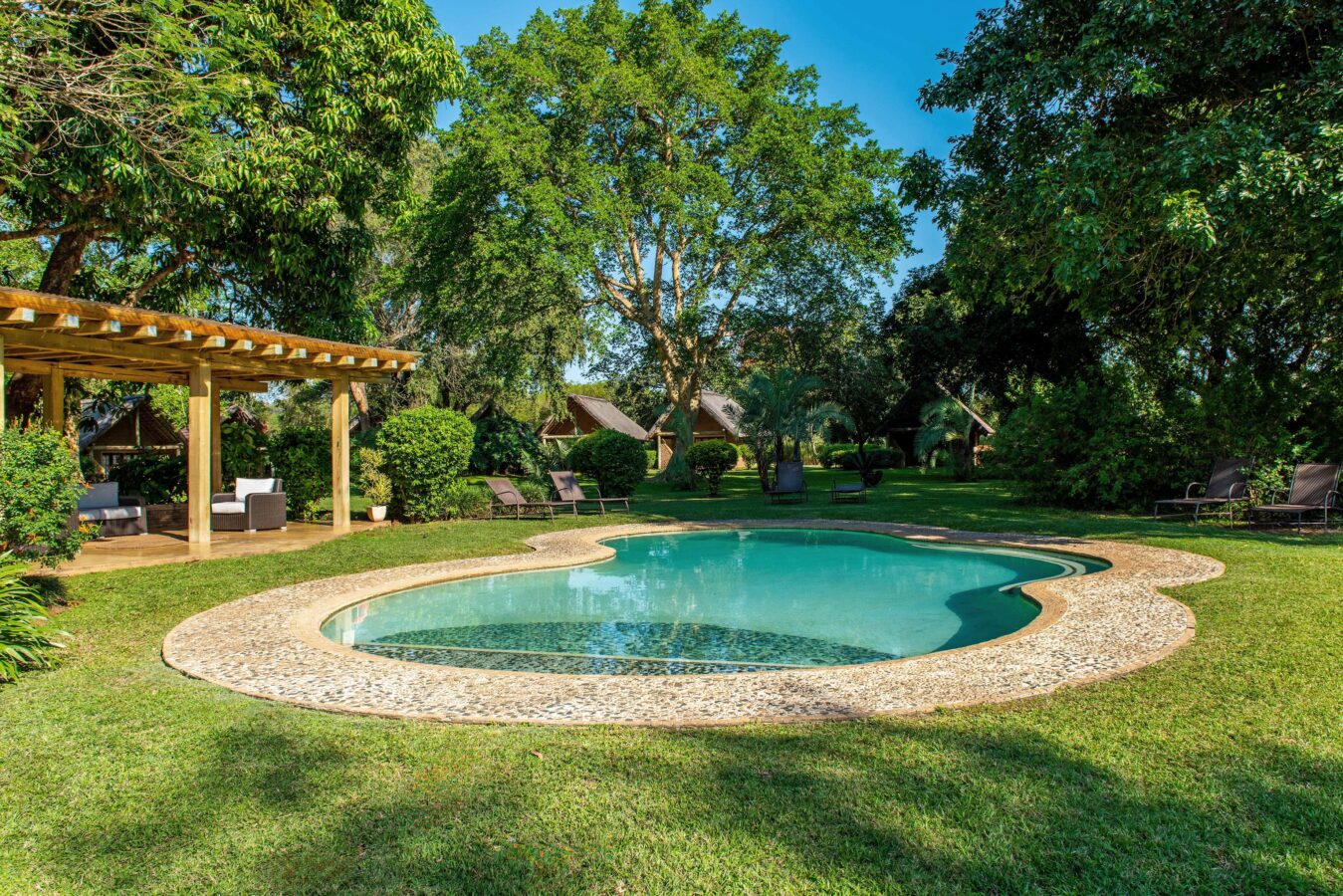
Choose from river-facing chalets, family-friendly loft rooms, or well-appointed standard rooms overlooking the indigenous gardens; all within earshot of the river and the wildlife that moves along it.
Discover which accommodation best suits your travelling party and secure your dates via our online booking platform. Alternatively, if you’d prefer a more personal touch, get in touch with us at reservations@hippohollow.co.za – we’d be happy to help you plan your stay around the best game drive times and golden hour windows.